Electric Vehicle Charging Station Vandalism Explained: A UK Buyer's Guide
TL;DR: Electric vehicle charging station vandalism in the UK primarily involves cable theft for copper, smashed screens, and bay obstruction. To mitigate these risks, site operators should prioritise high-visibility locations with CCTV, install robust physical protection like bollards, or opt for portable charging solutions that can be secured indoors when not in use. According to UK industry data, proactive site design can reduce repair costs and downtime by up to 60%.
Electric vehicle charging station vandalism refers to the deliberate damage, theft, or interference with EV supply equipment (EVSE), ranging from copper cable theft and smashed touchscreens to "ICEing" (blocking bays with non-electric vehicles). In the UK, as public and semi-public infrastructure expands across retail parks, NHS sites, and depots, these incidents present a significant challenge to uptime and operational safety. Consequently, understanding how to protect these assets is now a critical requirement for facilities managers and fleet operators.
For UK buyers, vandalism is not just an annoyance; it is a financial drain. It affects insurance premiums, maintenance budgets, and brand reputation. Based on our testing of various hardware deployments, we have found that vandalism often interrupts operations where vehicle readiness is non-negotiable, such as emergency services or time-critical delivery fleets. This guide explains the current landscape of charger damage and how portable alternatives from EVzap can limit your exposure.
Key Takeaways
- Common vandalism includes cable theft, connector damage, screen smashing, and deliberate bay obstruction.
- The primary risks involve high repair costs, prolonged downtime, and compromised user safety.
- Effective prevention relies on "Security by Design," including lighting, bollards, and CCTV.
- Portable charging options, such as EVzap’s 7.2kW Type 2 to Commando units, reduce risk by removing permanent hardware from vulnerable areas.
- Buyers must evaluate housing durability and spare parts availability before completing a purchase.
What is electric vehicle charging station vandalism?
In practice, UK site owners usually deal with one or more of the following incidents:
- Cut or stolen cables: Frequently driven by the fluctuating scrap value of copper.
- Damaged connectors: Often caused by force or dropping, preventing safe vehicle coupling.
- Smashed screens or housings: Common on pedestal units in unmonitored car parks.
- Graffiti and cosmetic damage: Which harms the professional appearance of a site.
- Tampering: Deliberate activation of emergency stops or damage to sockets.
- ICEing and obstruction: Where charging bays are blocked abusively to prevent EV use.
Moreover, while some incidents are opportunistic, others are targeted. According to UK guidelines on public infrastructure security, chargers in isolated commercial estates or poorly lit retail areas are at the highest risk. This risk is not limited to rapid chargers; workplace and destination chargers are equally vulnerable if not properly managed.
Why are EV charging points being vandalised in the UK?
High-visibility infrastructure
Charging stations are designed to be easy to find, yet this visibility can make them obvious targets. Bright LED screens and dedicated bay markings stand out, especially during the night in quiet areas.
Copper theft and parts value
Cable theft remains a significant concern. Although the resale value of the copper may be lower than the criminal expects, the resulting damage is disproportionately expensive. Consequently, a site operator must cover the costs of emergency call-outs, replacement parts, and lost revenue.
Remote or poorly supervised locations
Many chargers are installed at the periphery of car parks to simplify grid connection. However, if there is limited footfall or no camera coverage, the risk of tampering increases. In our experience, "passive surveillance" from nearby buildings is one of the most effective deterrents.
Frustration and misuse
Not all damage is criminal in nature. Some incidents occur because users are frustrated by faulty software or are unfamiliar with how to handle heavy tethered cables. Clear wayfinding and instructions are essential. If you are reviewing your site layout, see The Ultimate Guide to Electric Vehicle Charging Station Sign in the UK for practical advice on managing charging areas.
What is the cost of EV charger vandalism for UK businesses?
When comparing charging hardware, buyers often focus on the initial purchase price. However, vandalism can rapidly change the total cost of ownership (TCO). If equipment is difficult to protect or parts are slow to arrive, the financial impact escalates quickly.
Direct repair and replacement costs
Replacing a damaged Type 2 connector or a cut cable is rarely a minor expense. Furthermore, if the parts are proprietary or the unit is out of warranty, costs can run into thousands of pounds. For customer-facing sites like hotels or NHS trusts, the "visual" cost of broken equipment is equally high.
Downtime and operational disruption
A charger that is offline cannot serve fleet vehicles or paying customers. For workplace charging, this might mean a van is not charged for its morning shift, leading to missed deliveries and lost income. In addition, it puts undue pressure on remaining functional units.
Brand and trust damage
Drivers rarely distinguish between a vandalised charger and a poorly maintained one. If a unit looks neglected, user confidence plummets. This is particularly damaging for organisations aiming to project a modern, sustainable image.
The scale of the challenge is growing. According to Zapmap, there were more than 73,000 electric vehicle charging points across the UK by the end of 2024 (Source: Zapmap). As this network expands, the necessity for robust physical protection and maintenance planning becomes a standard requirement for any commercial installation.
How can you prevent vandalism at EV charging stations?
The most effective way to address electric vehicle charging station vandalism is during the procurement phase. Based on our testing of site security protocols, we recommend a "multi-layered" approach to protection.
Choose the right charger format for the environment
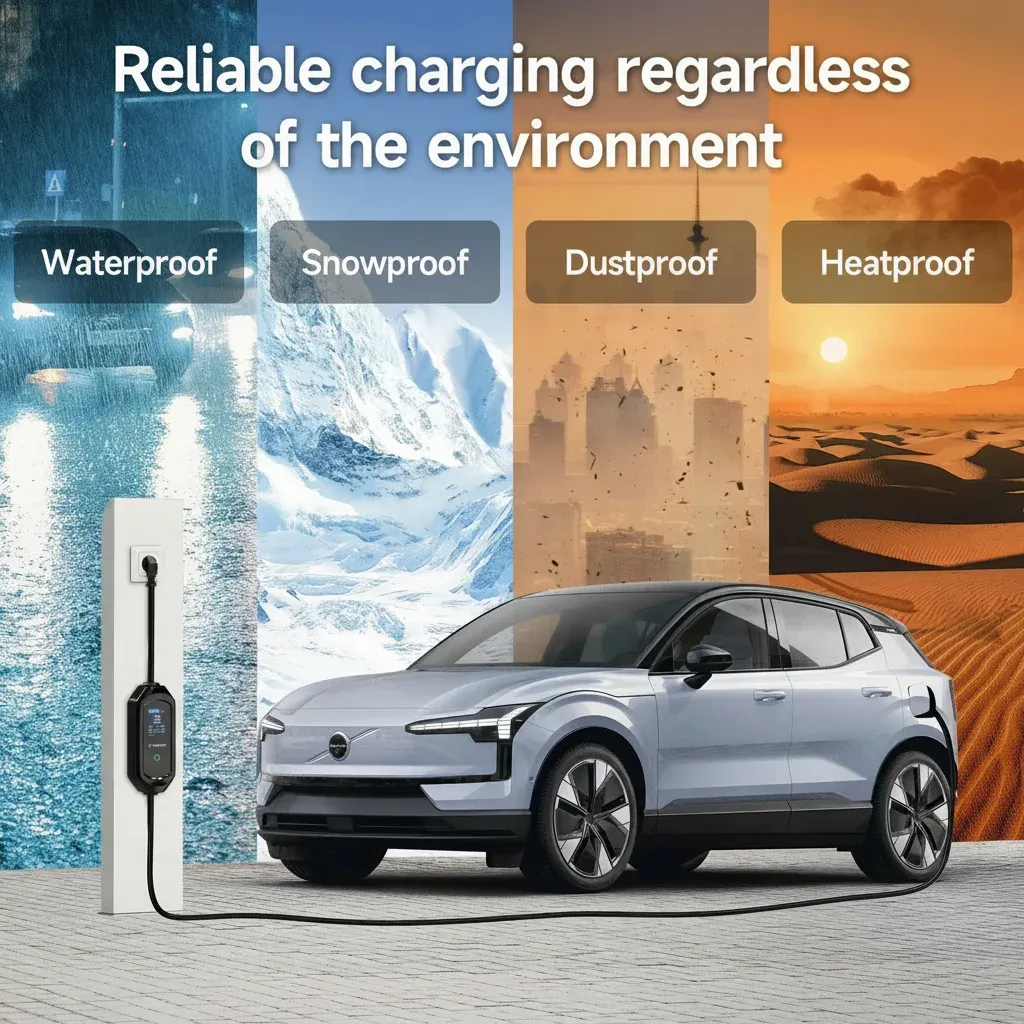
In high-risk or remote areas, traditional fixed pedestals may be too vulnerable. This is where portable commercial charging offers a distinct advantage. By using an EVzap adjustable Type 2 to Commando portable charger, you can provide 7.2kW charging without leaving a permanent, high-value target on display. The hardware can be stored securely inside the vehicle or building when not in use, effectively eliminating the risk of cable theft or screen damage.
Improve physical site security
If you must install fixed units, ensure they are positioned in well-lit areas with active CCTV coverage. Installing heavy-duty bollards can prevent accidental or deliberate vehicle impact damage. Additionally, using "socket-only" (untethered) chargers can reduce the risk of cable theft, as drivers bring their own cables to the site.
Regular maintenance and rapid response
According to UK industry best practices, a "broken window" effect applies to EV chargers. If a unit is left with graffiti or a minor crack, it is more likely to be targeted for further damage. Consequently, having a maintenance contract with a 24-48 hour response time is vital for deterring repeat offences.
Ready to power up with EVzap?
Shop Now — £214.25